The Evolution of Football Culture: Passion, Tradition, and Community
Football, known as the beautiful game, transcends borders and unites people from diverse backgrounds. Its cultural significance extends far beyond the pitch, creating a rich tapestry of traditions, passion, and community that has evolved over the years. This article delves into the multifaceted aspects of football culture, highlighting its influence on society, fan traditions, and the emotional connections forged through this beloved sport.
The Global Passion for Football
At the heart of football culture lies an unparalleled passion that ignites the hearts of millions. From the streets of Rio de Janeiro to the parks of London, football serves as a universal language, bringing together individuals of all ages and backgrounds. The FIFA World Cup, held every four years, exemplifies this global enthusiasm, as nations rally behind their teams, fostering a sense of national pride and camaraderie.
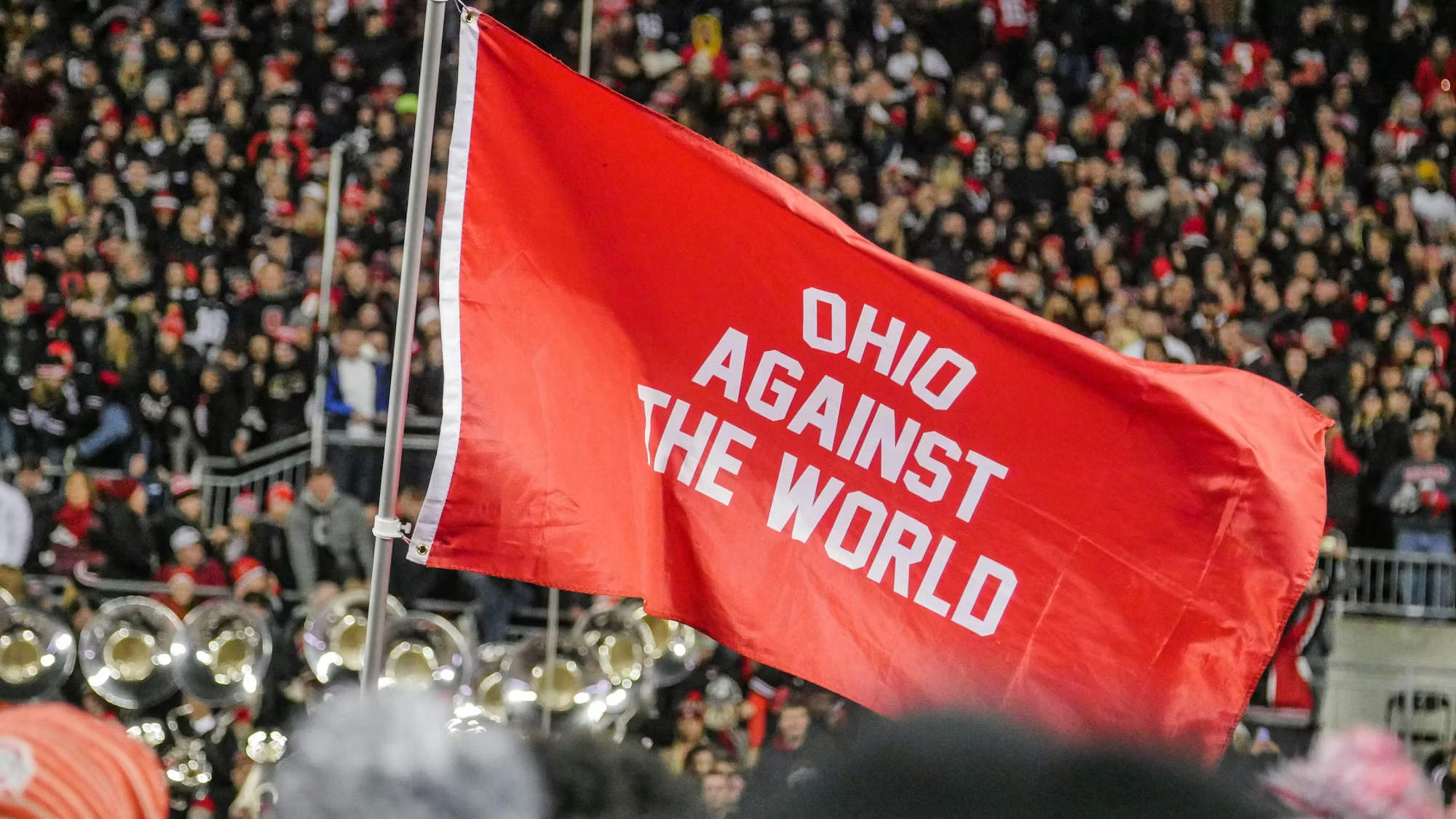
The fervor surrounding football is palpable during major tournaments. Fans don their national colors, wave flags, and partake in chants that echo through stadiums and streets alike. This collective experience creates a powerful bond among supporters, uniting them in celebration or despair, regardless of their geographical location. Football is not merely a sport; it is a source of identity and belonging for millions.
Traditions and Rituals
Football culture is steeped in traditions that vary from country to country, adding to the sport’s richness. Each region has its unique customs, often passed down through generations. In countries like Italy, the pre-match ritual of enjoying a leisurely meal with family and friends before heading to the stadium is common. In Brazil, the tradition of playing street football, or “pelada,” fosters a love for the game from a young age.
Chants and songs play a pivotal role in creating an electric atmosphere during matches. Fans often create their unique anthems that resonate with their team’s identity, instilling a sense of pride and belonging. The famous chant “You’ll Never Walk Alone” associated with Liverpool FC exemplifies this, as it brings supporters together in a display of unity and hope.
Moreover, the celebration of victories often involves elaborate rituals. In Argentina, fans might take to the streets to celebrate a significant win, creating a carnival-like atmosphere filled with music, dancing, and fireworks. These traditions not only enhance the experience of being a football supporter but also reinforce the cultural fabric of communities.
The Role of Football in Society
Football’s influence extends beyond entertainment; it plays a significant role in societal change and community development. Many clubs and organizations are dedicated to using football as a vehicle for social good, addressing issues such as youth engagement, education, and inclusion. Programs that focus on grassroots football initiatives aim to provide opportunities for young people, fostering teamwork and discipline while promoting physical fitness.
In recent years, football has become a platform for advocating social issues, including diversity and inclusion. Initiatives such as “Kick It Out” in the UK aim to tackle racism and promote equality within the sport. High-profile players like Marcus Rashford have used their influence to address food poverty and advocate for positive change, demonstrating that football can inspire meaningful conversations and actions within society.
Fan Culture and Community
The fan culture surrounding football is vibrant and diverse, characterized by deep-rooted loyalties and fierce rivalries. Supporters form communities that transcend social and economic barriers, creating a sense of belonging that enriches their lives. The camaraderie among fans is often forged through shared experiences, whether it’s attending matches, watching games at local pubs, or engaging in spirited debates about tactics and players.
Rivalries, often referred to as “derbies,” are a hallmark of football culture. Matches between local rivals, such as the North West Derby between Liverpool and Manchester United, evoke intense emotions and anticipation. These encounters often serve as a microcosm of the broader cultural and social dynamics within communities, highlighting the passion and pride that football generates.
The Emotional Connection to the Game
One of the most profound aspects of football culture is the emotional connection fans have with their teams. The highs and lows of supporting a football club create a rollercoaster of feelings, from the euphoria of a last-minute winner to the heartbreak of a missed penalty. These emotions are often intensified during significant matches, such as cup finals or relegation battles, where the stakes are high, and the outcome can shape a club’s future.
Football has the power to evoke strong sentiments, with fans often finding solace in their clubs during challenging times. The communal experience of celebrating victories or mourning defeats fosters a sense of togetherness that is unique to the sport. Fans often develop deep connections with players, celebrating their achievements and empathizing with their struggles, reinforcing the idea that football is more than just a game; it is a way of life.
Conclusion
The culture of football is a vibrant and dynamic tapestry woven from passion, tradition, and community. As the sport continues to evolve, its cultural significance remains profound, shaping identities and fostering connections across the globe. From the fervent celebrations of victories to the rituals that define match days, football is a powerful force that unites people, transcending barriers and bringing joy to millions. Embracing the culture of football allows us to appreciate not only the game itself but also the rich history and traditions that make it an integral part of our lives.