Exploring Soccer Culture: The Heartbeat of the Game
Soccer is more than just a sport; it is a global phenomenon that brings people together, creating a rich tapestry of culture and community. The culture surrounding soccer is deeply rooted in history, tradition, and shared experiences, making it one of the most beloved sports worldwide. This article delves into various aspects of soccer culture, from fan engagement and iconic rivalries to traditions and the emotional connections forged through the game.
The Essence of Soccer Culture
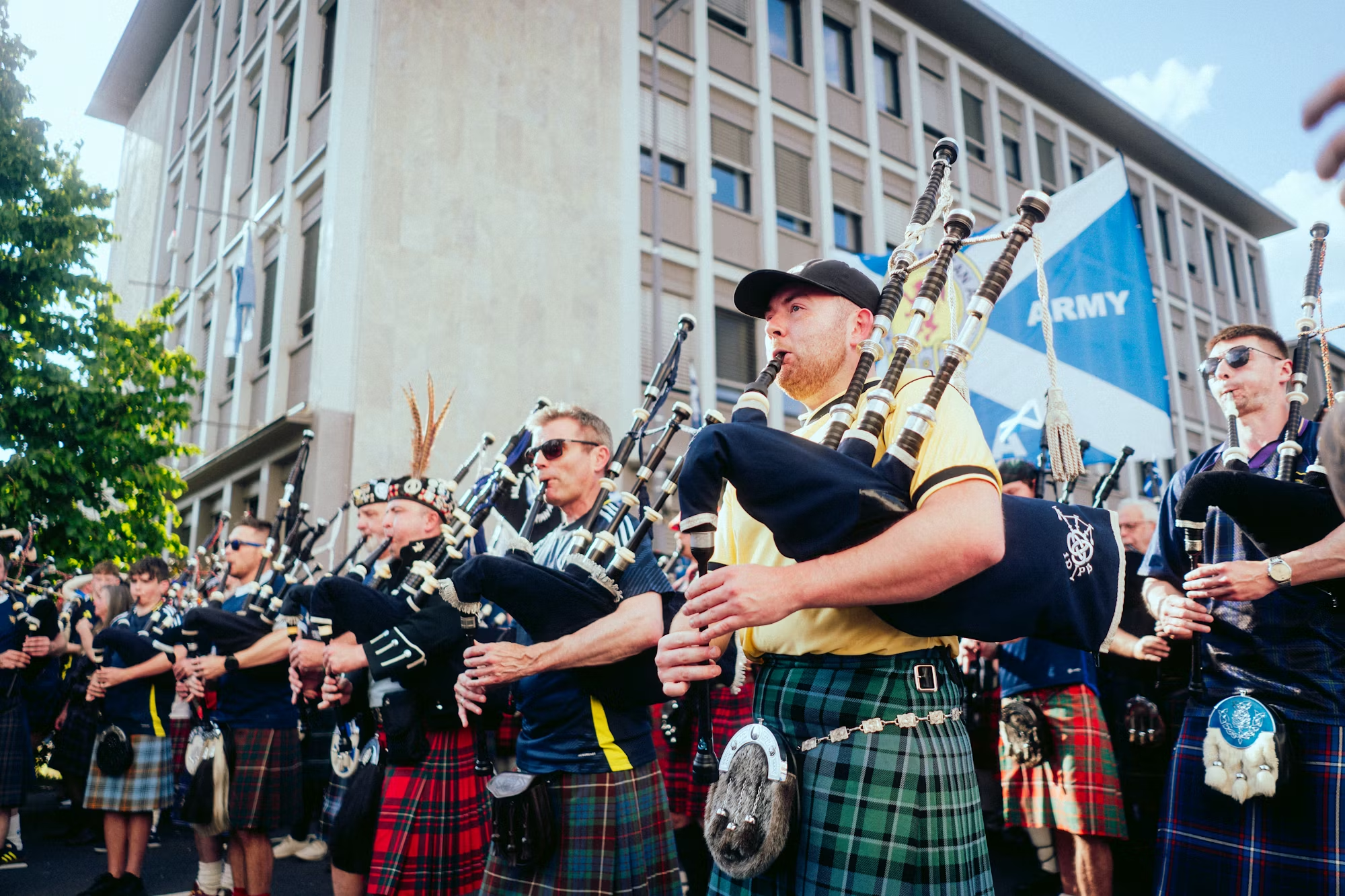
At its core, soccer culture embodies the passion and dedication of fans, players, and communities. It serves as a unifying force, transcending geographical boundaries and social differences. The simple act of gathering to watch a match, whether in a stadium or at home, fosters a sense of belonging and camaraderie among supporters. Fans wear their team’s colors with pride, creating a vibrant atmosphere that enhances the overall experience of the game.
In many countries, soccer is woven into the fabric of daily life. From local parks where children play to the grand stadiums filled with cheering supporters, the sport permeates communities. This deep-rooted connection to the game often shapes regional identities, as teams become symbols of pride and tradition. For many, supporting a club is a lifelong commitment, passed down through generations, solidifying the bond between family and soccer.
The Role of Fans in Soccer Culture
Fans are the heartbeat of soccer culture, and their engagement is vital to the sport’s vibrancy. The loyalty displayed by supporters is unparalleled, with many fans dedicating their lives to following their teams, often traveling great distances to attend matches. The atmosphere in stadiums during games is electric, fueled by chants, songs, and unwavering support. This sense of belonging creates a powerful connection, not only among fans but also between fans and players.
Clubs often recognize the importance of their supporters and work to foster a strong relationship. Initiatives like fan forums, community outreach programs, and interactive social media engagement allow fans to feel more connected to their clubs. Many teams also involve fans in decision-making processes, ensuring that their voices are heard. This inclusive approach strengthens the bond between clubs and their supporters, enhancing the overall experience of being a fan.
Traditions and Rituals
Soccer culture is rich with traditions and rituals that vary from country to country, and even from club to club. These customs often enhance the experience of watching and playing the game. For instance, in England, the tradition of singing club anthems before matches creates a sense of unity among supporters. In Italy, passionate fans are known for their elaborate displays, including choreographed tifos that showcase their creativity and dedication.
Some clubs have unique pre-match rituals that have become synonymous with their identity. For example, Borussia Dortmund’s “Yellow Wall” is a mesmerizing sight, where thousands of fans in yellow and black create an incredible atmosphere at Signal Iduna Park. Such traditions not only showcase fan loyalty but also enhance the spectacle of the game, making each match a memorable experience.
Iconic Rivalries: The Spirit of Competition
Rivalries are a significant aspect of soccer culture, often defining the identity of clubs and their supporters. These matchups evoke strong emotions and create unforgettable moments in the sport’s history. Classic rivalries, such as El Clásico between FC Barcelona and Real Madrid, or the North West Derby between Liverpool and Manchester United, draw intense interest, not only from local fans but also from soccer enthusiasts worldwide.
These matches are often more than just games; they represent regional pride and historical context, deeply rooted in the culture of the teams involved. The atmosphere surrounding these fixtures is charged with anticipation, as fans eagerly await the chance to witness their team triumph over their rivals. Such rivalries not only fuel the competitive spirit of the sport but also contribute to the overall narrative of soccer culture.
Globalization and Cultural Exchange
As soccer has grown in popularity, it has also undergone significant globalization. The influx of players from various countries into domestic leagues has enriched the sport, introducing diverse playing styles and cultural perspectives. This blending of influences creates a unique soccer culture that reflects the global nature of the game.
The globalization of soccer has also led to the rise of international competitions, such as the FIFA World Cup and UEFA Champions League. These events unite fans from different backgrounds, celebrating the universal love for the sport. The shared excitement of watching teams compete on the world stage fosters a sense of global community, transcending cultural and linguistic barriers.
The Impact of Technology on Soccer Culture
Technology has played a crucial role in shaping modern soccer culture. The advent of social media has transformed how fans engage with their teams and each other. Platforms like Twitter, Instagram, and TikTok allow supporters to share their experiences, opinions, and celebrations in real time. Clubs now utilize social media to connect with fans, providing behind-the-scenes content and engaging them in conversations about the game.
Furthermore, advancements in broadcasting technology have made soccer more accessible than ever. Fans can now watch matches from around the world, allowing them to connect with clubs and players they may have never seen in person. This accessibility has broadened the fan base, fostering a diverse community of soccer enthusiasts who share a common passion for the game.
Conclusion
In conclusion, soccer culture is a vibrant and dynamic aspect of the sport that encompasses the passion of fans, rich traditions, and the spirit of competition. The emotional connections formed through soccer extend beyond the pitch, creating a sense of belonging and community among supporters. As the game continues to evolve, the essence of soccer culture will remain a cornerstone, ensuring that it remains a beloved sport worldwide. The heart of soccer lies not only in the goals scored but in the shared experiences, the rituals, and the unwavering loyalty of its fans, all of which contribute to the beautiful game.