The Evolution of Football Culture: A Global Perspective
Football, often referred to as the beautiful game, transcends mere sport; it embodies a culture that spans continents and unites diverse communities. From the streets of Rio de Janeiro to the pitches of Europe and the parks of Africa, football has woven itself into the fabric of society. This article delves into the cultural significance of football, exploring how it shapes identities, fosters community, and influences social dynamics across the globe.
At its core, football is more than just a game; it is a powerful medium of expression. Fans often associate deeply with their local teams, creating identities that are linked to the clubs they support. This attachment is not merely about winning or losing but encompasses a sense of belonging, pride, and loyalty. In cities like Barcelona, Liverpool, and Milan, the local football clubs represent the spirit of the community, often acting as a source of pride and unity for their supporters. This connection fosters a unique bond, as fans celebrate victories and mourn defeats together, reinforcing their shared identity.
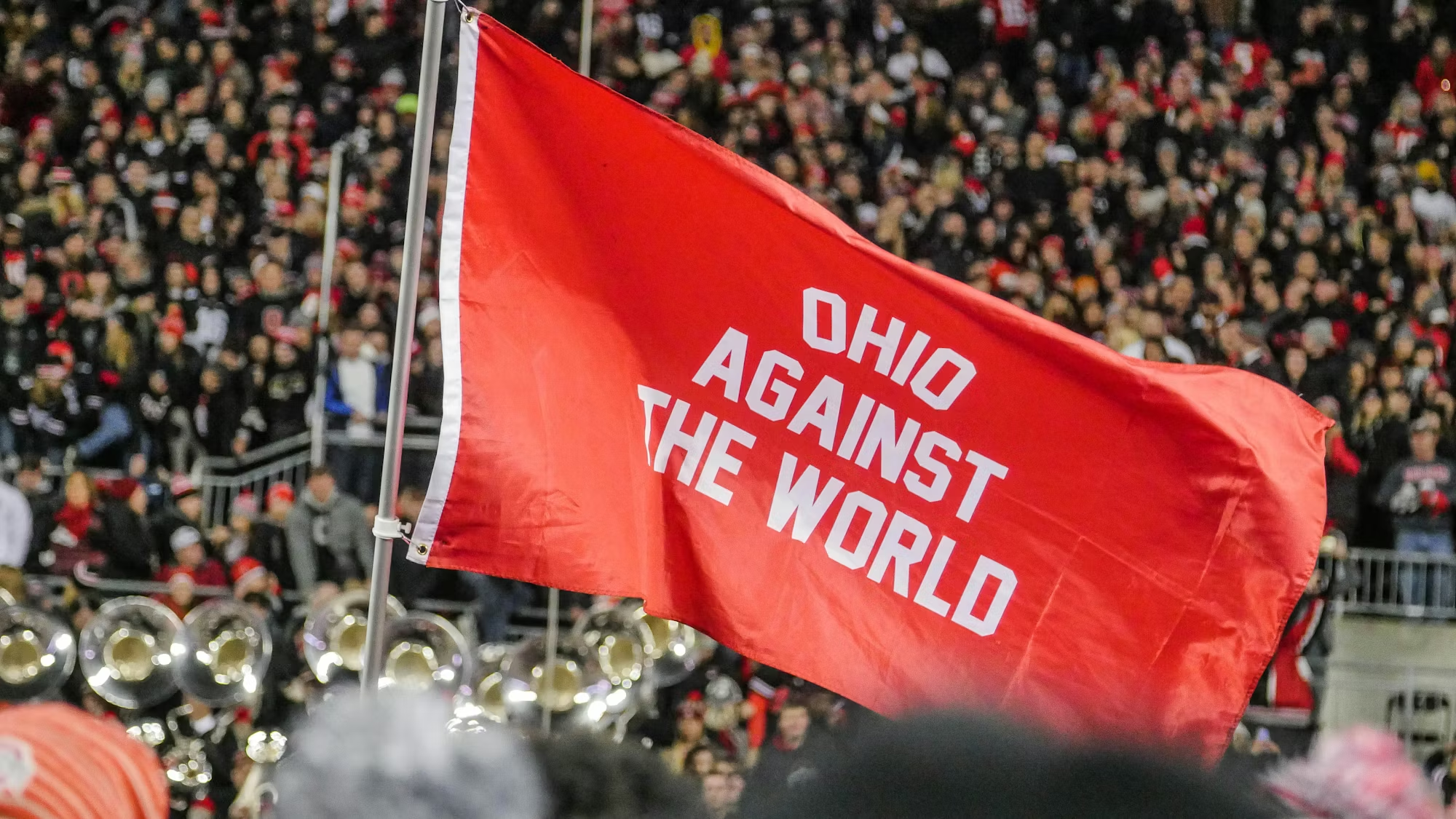
The passion for football is perhaps best illustrated through fan culture. Stadiums become vibrant hubs of activity, where chants, songs, and banners create an electrifying atmosphere. Fans invest time and resources into supporting their teams, attending matches, and participating in various fan-led activities. This sense of community is palpable, as supporters gather to share experiences, whether in the stands or in local pubs and homes. The rituals and traditions surrounding match days—like pre-game gatherings and post-match discussions—enhance the communal aspect of the sport, forging friendships that often last a lifetime.
Chants and songs are a crucial element of football culture, serving as a form of expression for fans. These anthems often tell the history of the club, celebrate its heroes, or express the hopes and dreams of the supporters. Many clubs have their unique songs that resonate with their identity and history, creating a sense of continuity that spans generations. For instance, the famous chant “You’ll Never Walk Alone” sung by Liverpool fans has become synonymous with the club, embodying its ethos of unity and resilience. Through these songs, fans not only show their support but also create a collective narrative that adds to the club’s legacy.
Football culture also extends beyond the pitch, influencing various aspects of society, including fashion, music, and art. Iconic footballers have become style icons, influencing trends and inspiring designers. The jersey has evolved from a simple uniform into a fashion statement, often worn by supporters as a badge of honor. Similarly, the imagery of football has permeated music, with countless songs dedicated to the sport or inspired by its culture. Artists draw on the themes of teamwork, struggle, and triumph, resonating with the emotional journey of the game. This cross-pollination enriches both the sport and the arts, creating a vibrant cultural tapestry.
Moreover, football serves as a platform for social change and activism. Many players and clubs have used their visibility to address important social issues, advocating for equality, diversity, and inclusion. Initiatives like “Kick It Out” in the UK combat racism in football, while players like Marcus Rashford have taken stances on issues like child food poverty, using their influence to drive positive change. These efforts highlight how football can transcend the sport itself, acting as a catalyst for societal progress and encouraging fans to engage with pressing issues in their communities.
Globally, football culture varies widely, influenced by local traditions, customs, and social dynamics. In South America, the intensity of football rivalries can reach fever pitch, with derbies drawing massive crowds and fostering a sense of fierce competition. In contrast, European leagues have their distinct characteristics, with clubs steeped in history and tradition. The UEFA Champions League exemplifies this global nature, showcasing the best clubs from different countries and uniting fans across borders in shared passion and excitement.
Grassroots football also plays a vital role in cultural development. Local clubs and community initiatives provide opportunities for youth to engage with the sport, fostering not only skill development but also social cohesion. These grassroots movements often reflect the cultural diversity of their communities, allowing individuals from different backgrounds to come together through a shared love of the game. Initiatives that promote youth participation in football contribute to positive social outcomes, instilling values of teamwork, discipline, and respect.
The impact of technology on football culture cannot be overlooked. The rise of social media has transformed how fans engage with the sport, allowing for instant communication and interaction with clubs, players, and fellow supporters. Fans can now follow their teams in real-time, share opinions, and celebrate moments through various digital platforms. This immediacy enhances the global reach of football, connecting fans from different parts of the world and creating a sense of global community around the sport. However, it also raises challenges, as the pressure of online scrutiny can affect players’ mental health and the dynamics of fan interactions.
As we look to the future, football culture will continue to evolve, shaped by emerging trends and societal changes. The growing emphasis on inclusivity and representation is becoming increasingly important, with many organizations working to ensure that football is accessible to all. Women’s football, for instance, is experiencing a surge in popularity and support, challenging traditional perceptions of the sport and fostering a more inclusive environment. This evolution not only enriches the culture of football but also paves the way for future generations to engage with the game in meaningful ways.
In conclusion, football culture is a multifaceted phenomenon that encompasses identity, community, and social dynamics. It transcends borders and brings people together, reflecting the values and aspirations of society. From passionate fans to influential players, the culture surrounding football is vibrant and ever-evolving. As the sport continues to grow in popularity and significance, its cultural impact will remain profound, shaping lives and communities around the world. Football is more than a game; it is a global movement that unites us all in our shared passion for the beautiful game.