Building Bonds Through Team Sports: A Guide to Community and Growth
Team sports have an extraordinary ability to unite individuals, creating bonds that often extend beyond the playing field. From local leagues to international competitions, team sports provide a rich environment for personal growth and community engagement. This article examines the myriad benefits of participating in team sports, focusing on how they develop teamwork, communication, leadership, and resilience, while simultaneously fostering a strong sense of community.
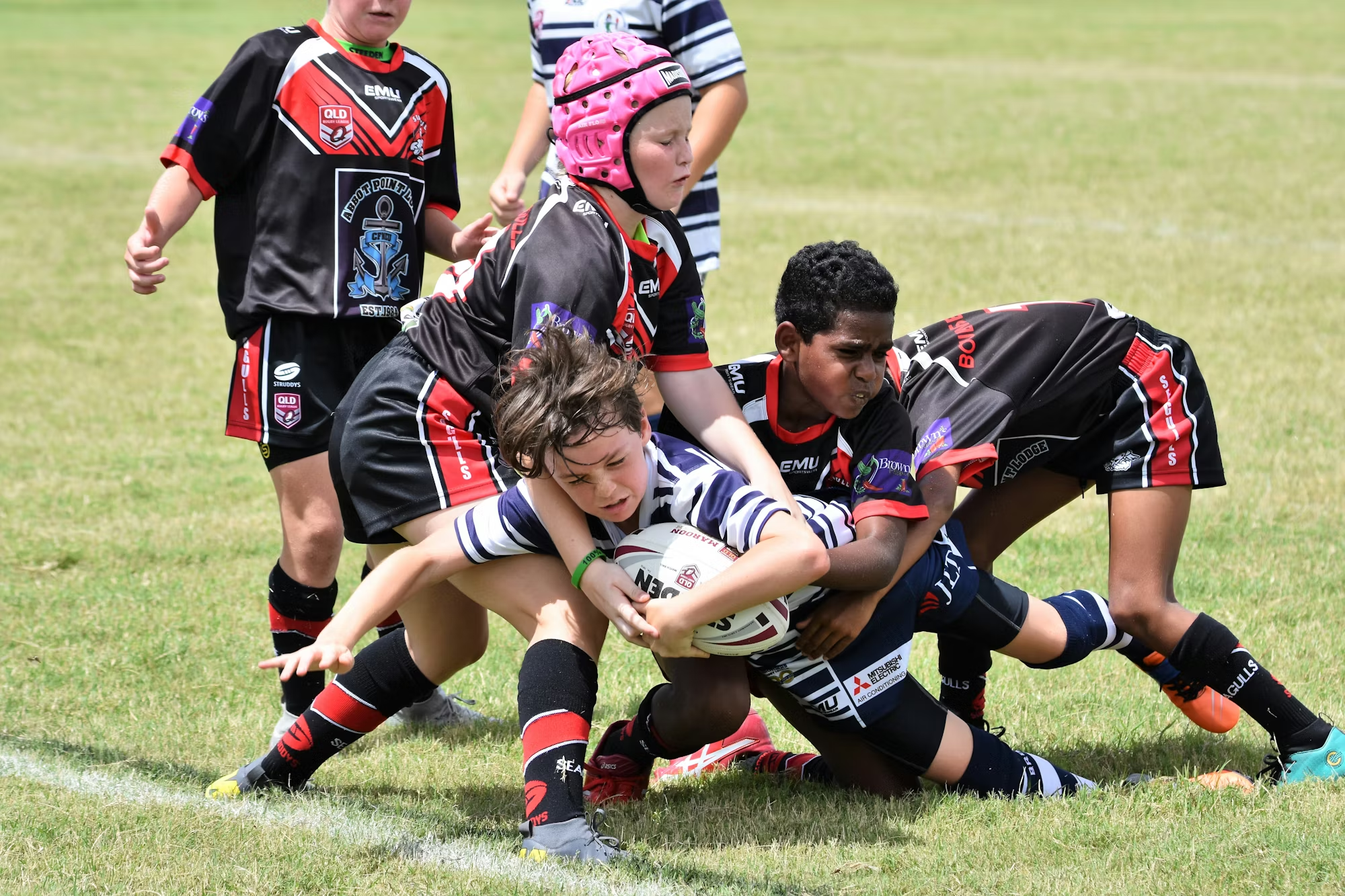
At the core of team sports is the concept of teamwork. Athletes quickly learn that their success is intertwined with that of their teammates. In sports like soccer, basketball, and rugby, players must work together to devise strategies and execute plays effectively. This collaborative effort not only enhances performance but also builds lasting friendships. The bonds formed during intense training sessions and thrilling competitions can lead to deep, lifelong connections among teammates.
Effective communication is another critical aspect cultivated through participation in team sports. Players must convey their thoughts, strategies, and emotions clearly to one another, whether it’s calling for the ball or providing tactical insights. This focus on communication helps athletes develop interpersonal skills that are applicable in everyday life. The ability to articulate thoughts and ideas fosters confidence and ensures that individuals can effectively engage with others, whether in personal relationships or professional environments.
Moreover, participation in team sports nurtures resilience. Athletes face a variety of challenges, from tough losses to performance slumps. These experiences teach individuals how to cope with disappointment, adapt to changing circumstances, and maintain motivation. Developing resilience is crucial, as it encourages individuals to view setbacks as opportunities for growth rather than insurmountable obstacles. This mindset is essential not only in sports but also in academic and career pursuits, where perseverance often leads to success.
Accountability is another significant skill honed through team sports. Each player has specific responsibilities that contribute to the team’s overall success. Understanding how one’s actions affect the team promotes a strong sense of responsibility. Athletes learn the importance of commitment and reliability, which translates into other areas of life. This sense of accountability is essential in both personal relationships and professional settings, where teamwork and dependability are highly valued.
Leadership development is a natural outcome of participating in team sports. Many athletes find themselves in leadership roles, whether as team captains or mentors for younger players. These experiences foster essential leadership qualities, including decision-making, empathy, and strategic thinking. Effective leaders motivate their teammates and create an environment where everyone feels valued and encouraged to contribute. This foundation of leadership prepares individuals for future roles in their communities and workplaces, equipping them with the skills needed to inspire and guide others.
The influence of coaches cannot be understated in the context of team sports. Coaches serve not only as instructors but also as mentors who guide athletes through both athletic and personal challenges. A supportive coaching style creates an environment where players feel comfortable expressing themselves and seeking guidance. This nurturing dynamic fosters personal growth, as coaches instill values that extend beyond the sport, helping athletes become well-rounded individuals.
In addition to individual development, team sports play a vital role in building community. Local sports teams often serve as focal points for community engagement, bringing people together from diverse backgrounds to support a shared interest. The excitement surrounding games fosters social interaction, creating bonds among fans and players alike. This collective spirit enhances community ties, leading to stronger relationships and a greater sense of belonging among participants and supporters.
As communities unite through team sports, they also promote values such as respect, integrity, and sportsmanship. Coaches and mentors emphasize that winning should never come at the expense of personal values or respect for opponents. This focus on ethics encourages players to conduct themselves honorably, both in competition and in their everyday lives. The principles of sportsmanship reinforce the idea that how one plays the game is just as important as the outcome, shaping individuals into principled leaders who positively influence society.
Technology has also transformed the landscape of team sports, enhancing how athletes prepare for competition. With the advent of video analysis and performance metrics, coaches can assess individual and team performance, identify strengths and weaknesses, and tailor training regimens accordingly. This data-driven approach not only enhances athletic development but also fosters a deeper understanding of the game. Athletes learn to analyze their performances critically, encouraging continuous improvement and strategic thinking.
Moreover, social media has reshaped how teams connect with their communities and fans. Platforms like Facebook, Instagram, and Twitter allow teams to share their journeys, celebrate victories, and engage with supporters in real-time. This connection strengthens community ties and builds a supportive environment where everyone feels invested in the team’s success. The ability to engage with fans fosters a sense of belonging and pride, reinforcing the value of teamwork and community engagement.
In conclusion, the benefits of participating in team sports extend far beyond the realm of athletics. Through the development of essential life skills like teamwork, communication, resilience, and leadership, athletes grow as individuals and contribute positively to their communities. The bonds formed through shared experiences in team sports create lasting relationships and a sense of belonging that enriches lives across all ages and backgrounds. As we celebrate the impact of team sports, it is essential to recognize their significance in promoting personal growth and community well-being.